



Prunotto
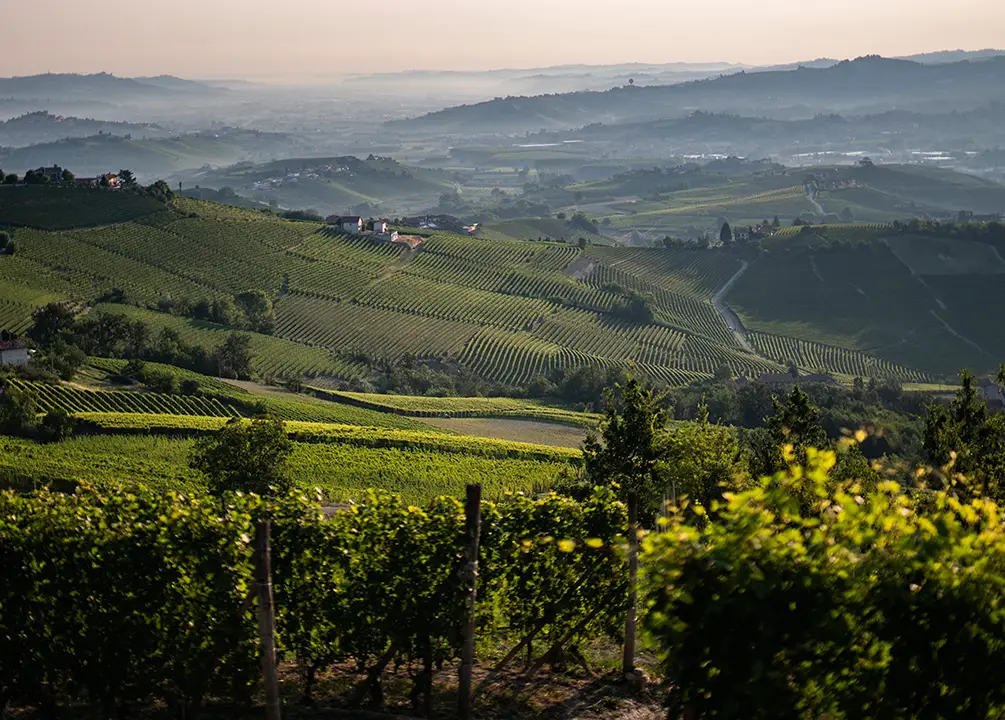
The Prunotto estate is located in Alba, the most important city in the Langhe area halfway between Barbaresco and Barolo on the right side of the Tanaro river, on gentle plains surrounded by vineyards in the Langhe and Roero territories. Alba’s surrounding landscapes are captivating. The natural beauty of the gently rolling hills alternate with small sloping valleys covered by rows of meticulously cultivated vineyards. The Antinori family, charmed by such rich natural beauty, unique vineyards and soils, decided to invest time and energy in this terroir confident that their efforts would make Prunotto what it is today, one of the most important winemaking estates in the Piedmont region.


The Vineyards
The historic Langhe area is located in southern Piedmont between the provinces of Cuneo and Asti in one of the most beautiful and captivating winemaking areas in Italy. Nebbiolo, Barbera and Dolcetto, which have been cultivated here for centuries, are the three most important grape varieties grown in The Langhe territory.
Calcareous clay soils in this area date back to the Oligocene era, approximately 23 million years ago, when The Langhe was completely covered by the sea. This particular kind of soil is rich in both marine and terrestrial fossils and was formed during glacial periods in which deep layers of loess, fragmented material caused by the weathering and erosion of rocks, was deposited. The Langhe was awarded the prestigious recognition as a UNESCO World Heritage Site in 2014.

