
< Back to Acquire
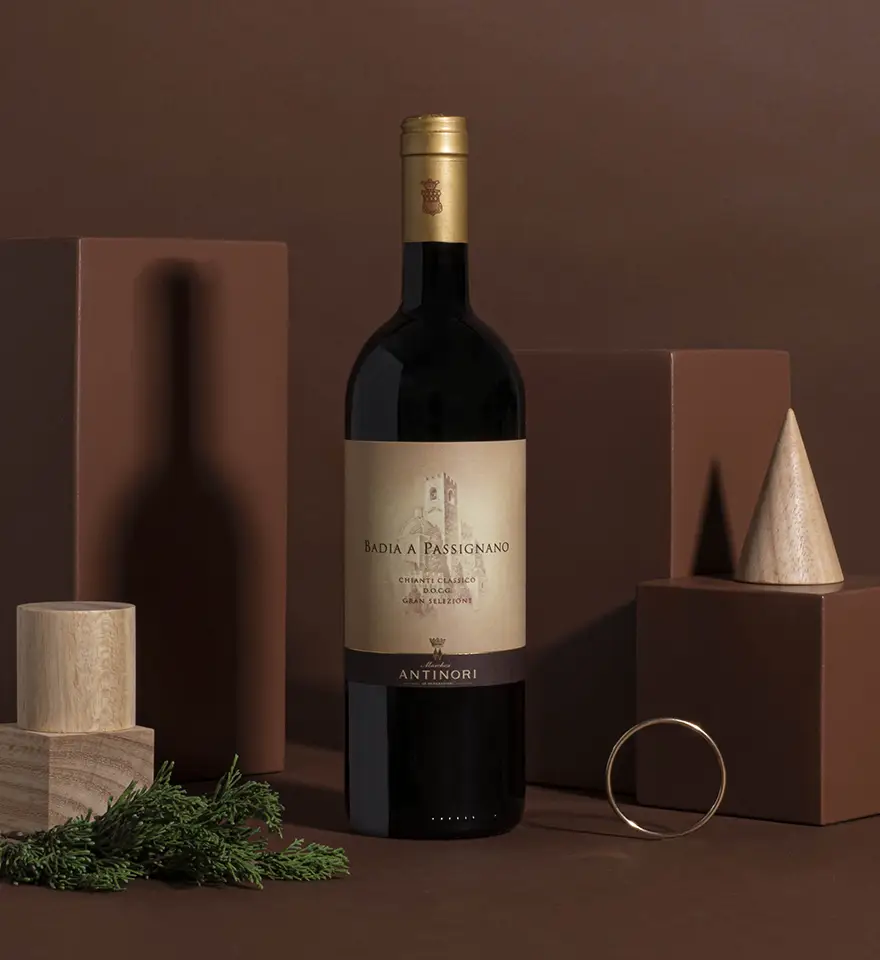
2023 Badia a Passignano
Expected ship date is September 28. Ship date subject to change due to delays or weather holds.
$70.00
/ Bottle
The Wine
Badia a Passignano Gran Selezione is made exclusively with a selection of the best Sangiovese grapes harvested from the monastery’s historic vineyards.
Climate
The 2023 growing season in Chianti Classico began with a moderately cold and dry winter, especially towards the end of March, ensuring budbreak in line with historical averages. From late April through the second half of June, weather conditions were generally cool with frequent rainfall.
Summer was overall warm and dry, without extreme heat peaks, allowing the vines to reach an excellent vegetative and productive balance. Moderate rainfall in August followed by regular weather patterns in September and October, characterized by good ventilation and significant day-night temperature variations, allowed the grapes to begin and complete their ripening process under optimal conditions.
At harvest, the fruit was perfectly healthy, fragrant, and well-balanced in terms of sugars, acidity, and phenolic maturity. Sangiovese grapes were harvested at Badia a Passignano from the end of September through the first days of October.
Vineyards
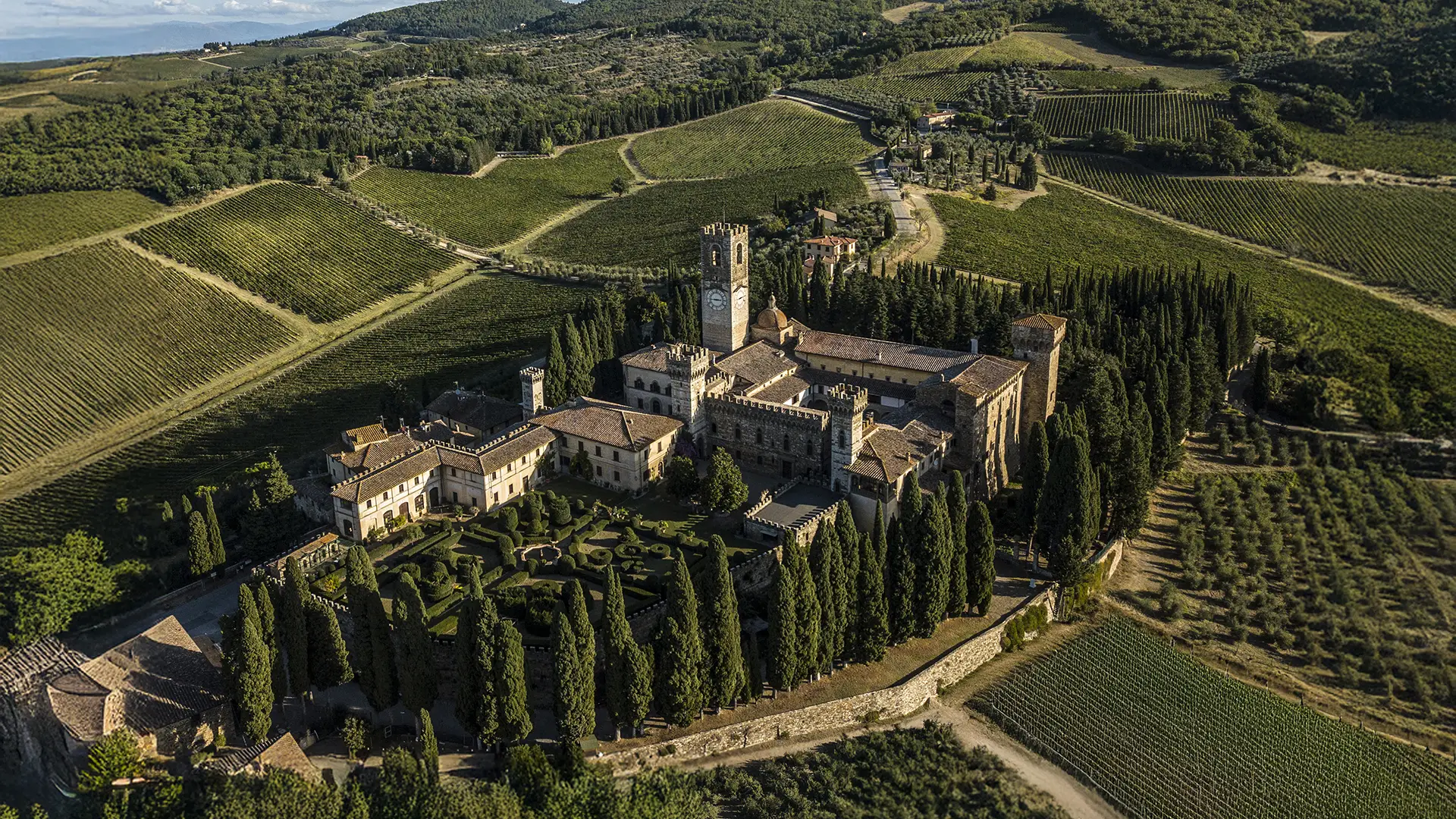
Badia a Passignano Gran Selezione is produced exclusively from the finest Sangiovese grapes harvested from its namesake vineyard located in the heart of the Chianti Classico region. The region has been respected and appreciated for its outstanding wine production since the year 1000. The vineyards grow at an altitude of approximately 300 meters (984 feet) above sea level on soils rich in limestone with a fair amount of clay. The wine is aged in the historic cellars under the Badia (abbey) of Passignano that dates back to the 10th century.
Winemaking
After destemming, the berries were carefully selected and gently crushed. Alcoholic fermentation lasted for a period of 10 days and was followed by an additional period of 10-12 days of maceration on the skins. After the wine was racked and malolactic fermentation was complete, the wine was aged in French and Hungarian oak for several months. Badia a Passignano was bottled on the estate and continued to age in the bottle before being released for sale.
History
“Badia a Passignano is located above the town of Sambuca Val di Pesa, just 3 kilometers south of the Tenuta Tignanello estate. The property extends over an area of 223 hectares (551 acres), of which 65 hectares (160 acres) are planted with vines.
There is much conflicting information regarding the year the abbey was founded. In Pietro Aretino’s biography of San Zanobi, he states that the archbishop of Florence founded the Passignano monastery in 395, however the monastery’s oldest documents are dated 891.
In 1049 the Badia became property of Vallombrosian order, a reformed branch of the Benedictines who specialized in viticulture and forestry. Historical archives in the monastery report many prominent events, including the stay of Galileo Galilei in 1587-1588 as a mathematics teacher.
The estate’s historical importance in the Chianti region is well documented in hundreds of volumes that are kept in the Florence State Archives that provide descriptions and details about the Sangiovese vineyards and local crops over the centuries. Further proof of this came to light in 1983 when a thousand year old vitis vinifera plant was discovered on the land surrounding Badia a Passignano.”
TASTING NOTES
Badia a Passignano 2023 is ruby red in color. On the nose, it reveals intense aromas of sour cherry, red currants, and plums, followed by notes of small red berries and fresh floral hints of violet and dog rose. The bouquet is completed by sweet sensations of cotton candy along with delicate nuances of cocoa and hazelnut. The palate is elegant, long, and harmonious, defined by enveloping, silky tannins. The finish is fresh and savory, with a pleasant aftertaste of red fruit, licorice, and white chocolate.
Wine Analysis
Estate
Badia a Passignano
Appellation
Chianti Classico DOCG Gran Selezione
Vintage
2023
Format
750ml